
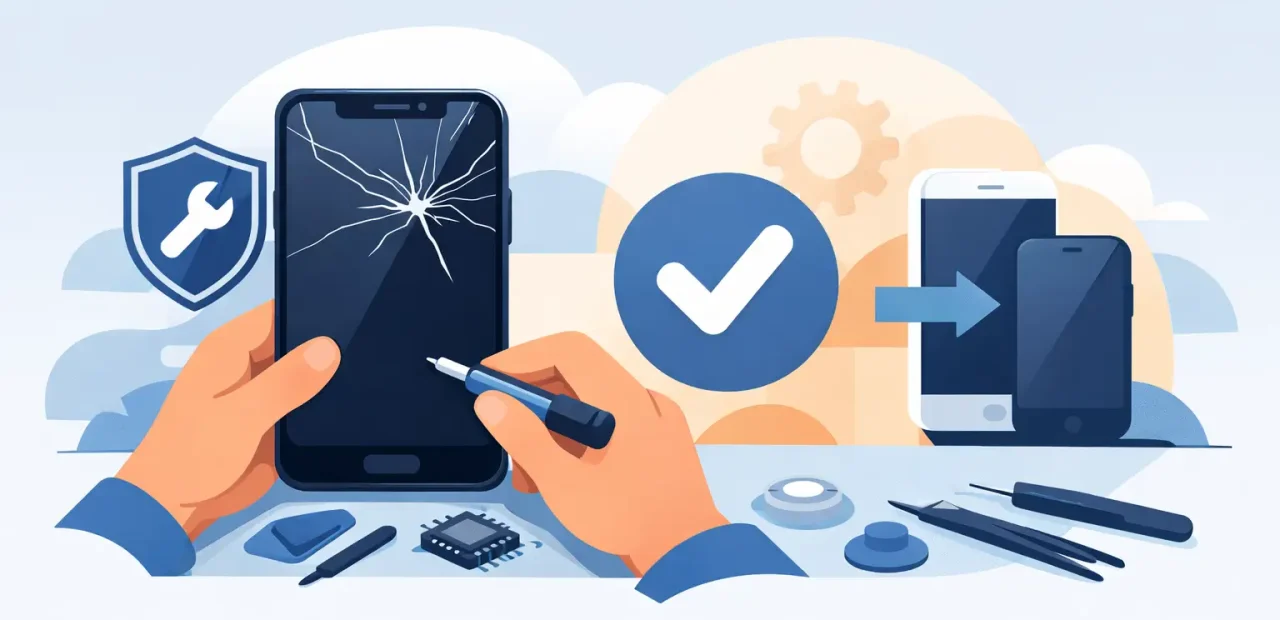
A cracked screen at 8 a.m. can turn into a missed class, a delayed ride, and a long day without the apps you rely on. Fast iPhone repairs are not just about making a phone look better. They are about getting your calls, maps, messages, payments, and camera back in working order without the cost and disruption of replacing your device.
For most common problems, repair is the practical first move. A qualified technician can identify the issue, explain the fix clearly, and often complete the work the same day. If you are near TCU or anywhere in Fort Worth, a walk-in repair can be far easier than mailing your phone away or trying to make a damaged device last another week.
When iPhone Repairs Make More Sense Than Replacement
A new iPhone is expensive, and a small problem does not automatically mean your current phone is finished. If the phone still powers on, holds a reasonable signal, and meets your everyday needs, repairing one failed component is usually the more affordable option.
Screen damage is the clearest example. A broken display can make typing frustrating, hide parts of the screen, or leave sharp edges that get worse over time. But a cracked screen does not mean every internal part has failed. Replacing the display can restore touch response, brightness, and a clear view of your phone in a fraction of the time it takes to shop for, transfer to, and set up a replacement.
Battery trouble is another issue where repair often makes sense. If your iPhone drains unusually fast, shuts down before the battery percentage reaches zero, or needs to stay connected to a charger through much of the day, a battery replacement may give it the dependable runtime you need again. This is especially useful for students, delivery drivers, parents, and anyone who spends a full day away from an outlet.
The same thinking applies to a charging port, speaker, microphone, camera, or button that has stopped working properly. One malfunctioning part should be evaluated on its own. Replacing an entire phone because the volume button sticks or the charging connection is unreliable can be unnecessary.
Repair may be less appealing when an older iPhone has several major issues at once and no longer supports the software or storage you need. A good repair shop should be honest about that trade-off. The right answer is not always repair. It is the option that gives you the best value for how you use your phone.
Common iPhone Problems That Can Often Be Fixed Fast
Many people wait too long because they assume a repair will take days. In reality, the most common iPhone problems can often be handled quickly after a technician checks the model and confirms the issue.
Cracked or Unresponsive Screens
A screen can be visibly cracked while still responding to touch, but that does not mean it is safe to ignore. Cracks can spread, touch response can become inconsistent, and dark spots or lines can appear later. If parts of the display flicker, ghost-touch, or no longer respond, the screen needs attention soon.
Many screen replacements can be completed while you wait, sometimes in as little as 15 minutes depending on the model and repair needs. Before work begins, ask what part will be used, what is included in the price, and whether the repair is backed by a satisfaction guarantee. Clear answers matter.
Back Glass Damage
Broken back glass changes more than the look of an iPhone. It can be uncomfortable to hold and may continue to chip or crack with daily use. Back glass repair is more involved than a front-screen replacement on many models, so timing and pricing can vary. Still, it is often a better option than replacing an otherwise reliable phone.
Battery Failures and Fast Draining
A battery ages with normal use. You may notice your phone falling from a high percentage to a low one quickly, becoming slow during demanding tasks, or needing multiple charges each day. Battery replacement can be a cost-conscious way to extend the life of an iPhone you already know and like.
Do not assume every battery issue has the same cause. Background settings, aging software, and a failing battery can create similar symptoms. A technician can help determine whether a new battery is the likely fix before you spend money on the wrong solution.
Charging Port Problems
When your cable only works at a certain angle or your phone will not charge consistently, the problem may be the port itself. A charging port repair can restore the daily convenience most people take for granted until it disappears.
Because charging problems can also come from a worn cable or adapter, bring the accessories you normally use if you can. That gives the technician a better chance to diagnose the issue correctly and prevents an unnecessary repair.
Camera, Audio, and Button Issues
A blurry camera, silent speaker, weak microphone, stuck power button, or unreliable volume control can make an iPhone hard to use even if the screen looks perfect. These problems affect school recordings, work calls, family photos, navigation prompts, and basic communication.
The best repair experience starts with a simple explanation of what is failing and what needs to be replaced. You should not have to guess whether a repair addresses the actual cause of the problem.
What to Expect From a Local iPhone Repair Visit
Speed is valuable, but careful service matters just as much. A reputable local shop should start by looking at the phone, confirming the model, and explaining the repair before any work begins. You deserve a straightforward price and a realistic timeframe, not a surprise after the repair is already underway.
For a routine screen or battery repair, the process is often simple: bring in your iPhone, receive an assessment, approve the repair, and pick it up shortly afterward. No appointment may be necessary for common fixes, which is helpful when a broken phone interrupts your day without warning.
Ask whether the shop uses high-quality parts and whether the repair is performed in front of you when possible. Visible, front-of-customer service provides reassurance that your device is being handled with care. It also makes the process feel less like handing over an essential part of your life to a black box.
Before you arrive, make sure you know your device passcode if a functional test is needed. Backing up your iPhone is also a smart precaution whenever possible. Most component repairs do not require a full reset, but your photos, messages, and classwork are worth protecting.
How to Avoid Making the Damage Worse
The quickest repair is often the one completed before a small issue becomes a larger one. A cracked display can worsen after another drop. A struggling battery can leave you without access to tickets, directions, or two-factor login codes at the worst time. A loose charging connection can turn into a completely unusable port.
If your screen is broken, use a protective case to limit further stress until you can get it repaired. Avoid pressing hard on damaged areas or trying to peel away loose glass yourself. With charging issues, do not force a cable into the port. If it does not connect normally, forcing it can create more damage.
Be cautious with do-it-yourself repair kits as well. They can look less expensive upfront, but iPhones contain small, delicate components and repairs require the right tools and experience. A mistake may add cost, reduce performance, or turn a simple repair into a more complicated one. For a phone you use every day, professional service is usually the less stressful choice.
Choosing the Right Shop for iPhone Repairs
Price matters, but the lowest quote is not always the best value. Look for a shop that focuses on clear communication, quality parts, knowledgeable technicians, and quick turnaround. A repair should leave you confident that the phone was fixed correctly, not wondering how long the result will last.
Local convenience matters too. When your phone is your alarm clock, campus pass, camera, work tool, and connection to family, waiting several days can be a real problem. Fort Worth iPhone Repairs is built around that urgency, with walk-in service and common repairs completed quickly whenever the repair allows.
A broken iPhone does not need to take over your week. Get the problem checked early, ask clear questions, and choose the repair that gets your phone back to doing its job – with less cost, less waiting, and less hassle.